
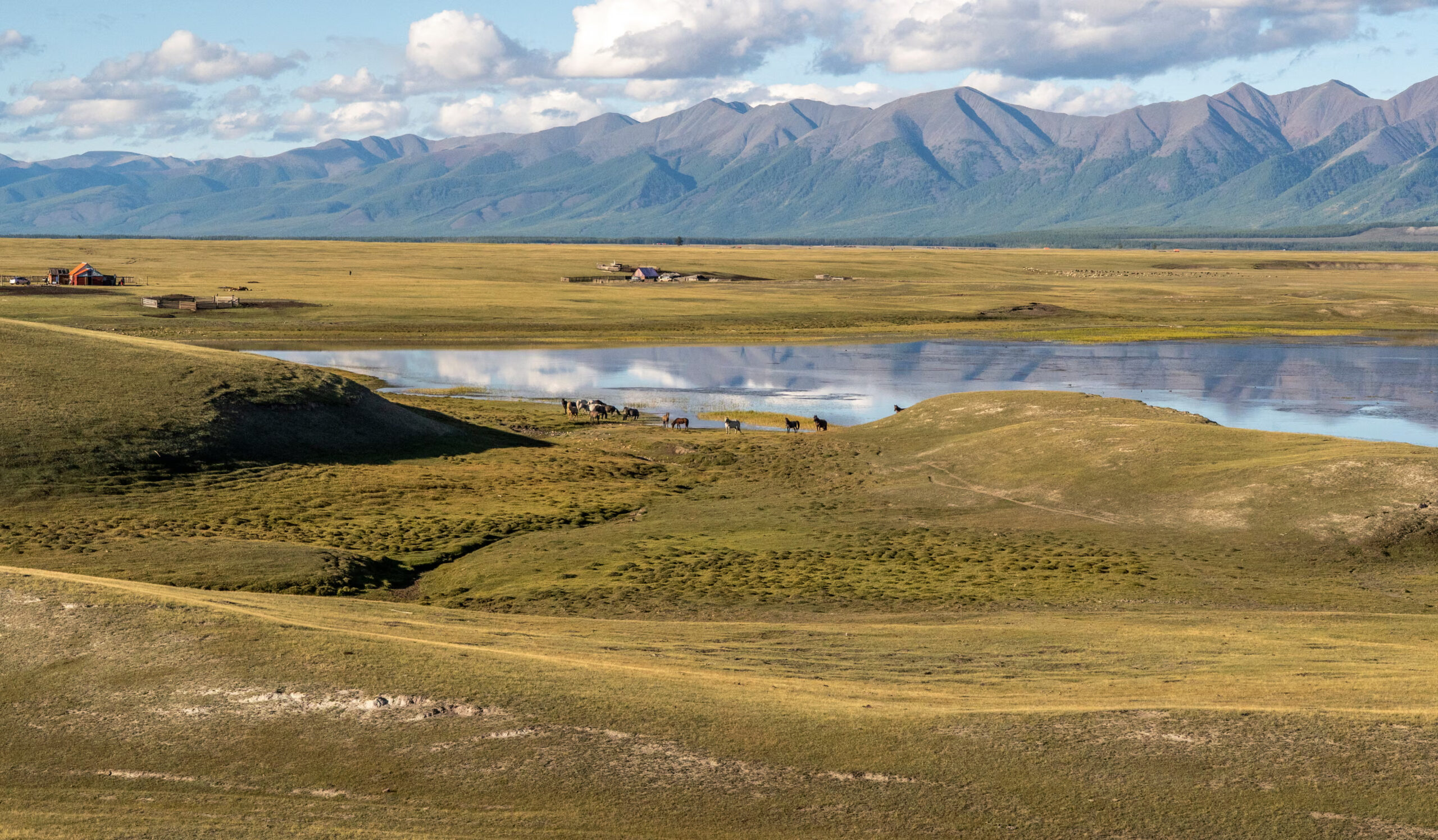
Photograph: Natalya Saprunova
- June 2026 | News
The Guardian has published a picture essay by photographer Natalya Saprunova on thawing permafrost in northern Mongolia, drawing on research connected to our project, Frozen Commons: Change, Resilience and Sustainability in the Arctic. Mongolia holds some of the most southerly permafrost in the Northern Hemisphere, which makes the changes documented here relevant far beyond the country’s borders.
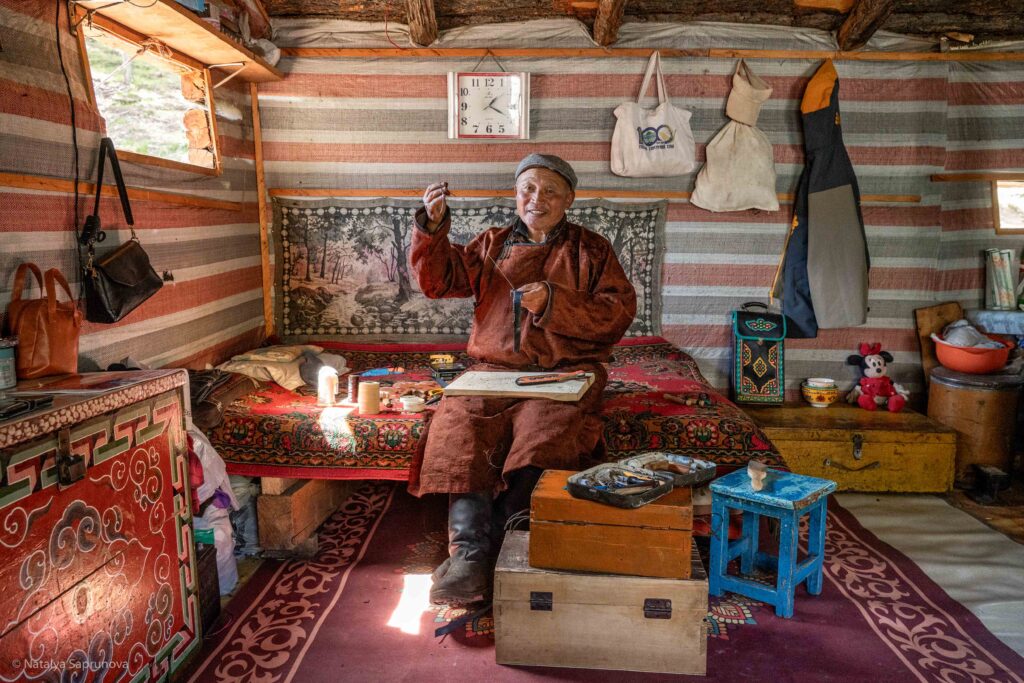
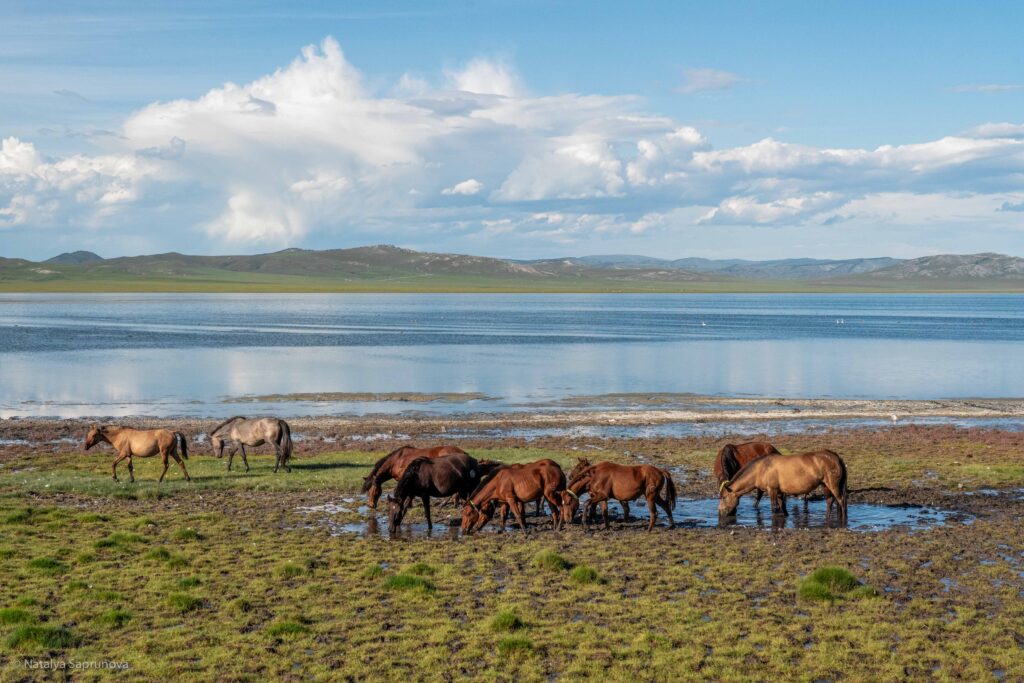
Shot in the Darkhad Depression and Khövsgöl province — including Bayanzürkh, one of our study regions — the essay documents the visible signs of thaw: expanding thermokarst ponds, collapsing pingos, migrating wetlands, and fissures spreading through a school dormitory destabilised from below. The piece situates these changes within the lives of nomadic herders, whose pastures, springs, and yak herds are directly affected.
The essay foregrounds the project’s core approach: bringing scientific monitoring together with the observations of local and Indigenous communities. As project lead Vera Kuklina (University of Maryland) notes in the piece, combining scientific and community knowledge offers a fuller understanding of how environmental change affects both ecosystems and people. The piece also draws on the project’s permafrost research, quoting co-PI Nikolay Shiklomanov (George Washington University) on the drivers of decline — climate change foremost, with local pressures such as overgrazing accelerating thaw — and Purevdulam Yondonrentsen (National University of Mongolia) on Mongolia as a natural laboratory for permafrost research.
While documenting real disruption, the essay holds to the project’s framing of resilience as well as loss — pointing to how communities read, live with and govern a changing frozen world, and how thaw at the southern edge of the Northern Hemisphere’s permafrost offers early insight into cold regions everywhere.
Read Natalya Saprunova’s full picture essay in The Guardian
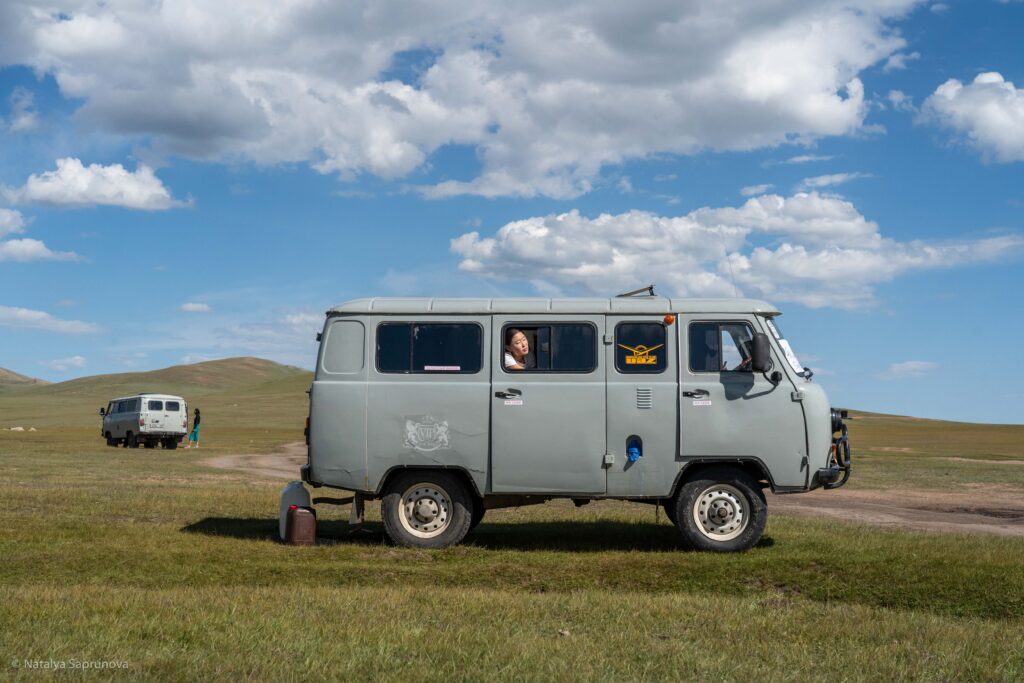
Photograph: Natalya Saprunova