
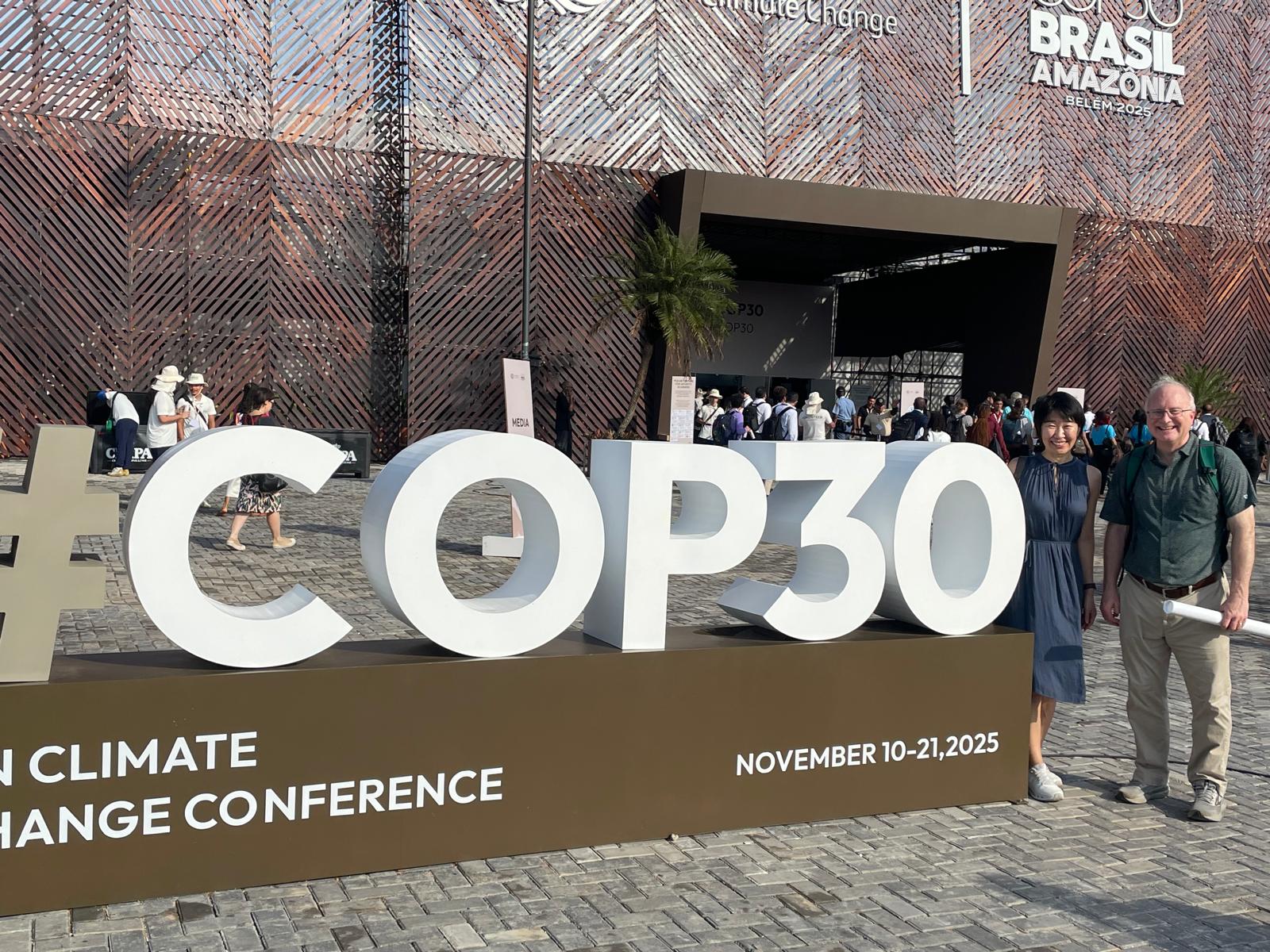
Fostering Indigenous-Led Dialogues to Govern Frozen Commons
- 11 November 2025 | Belém, Brazil
This UNFCCC event brought together Indigenous Peoples, nomadic communities, scientists, artists, and policymakers to encourage dialogue, build alliances, and strengthen cryosphere governance.
Rights of local Indigenous people is one of the indicator of tensions raised by hosting COP 30 in Amazonia. The focus was on integrating scientific research with Indigenous and traditional knowledge to enable informed decision-making and cooperation, especially given the limitations of national-level collaboration.
The main questions were:
Why the world should care about Arctic snow, ice, and permafrost?
What can be learnt from Indigenous Peoples about governance of these frozen commons?
How can we work together to protect the cryosphere?
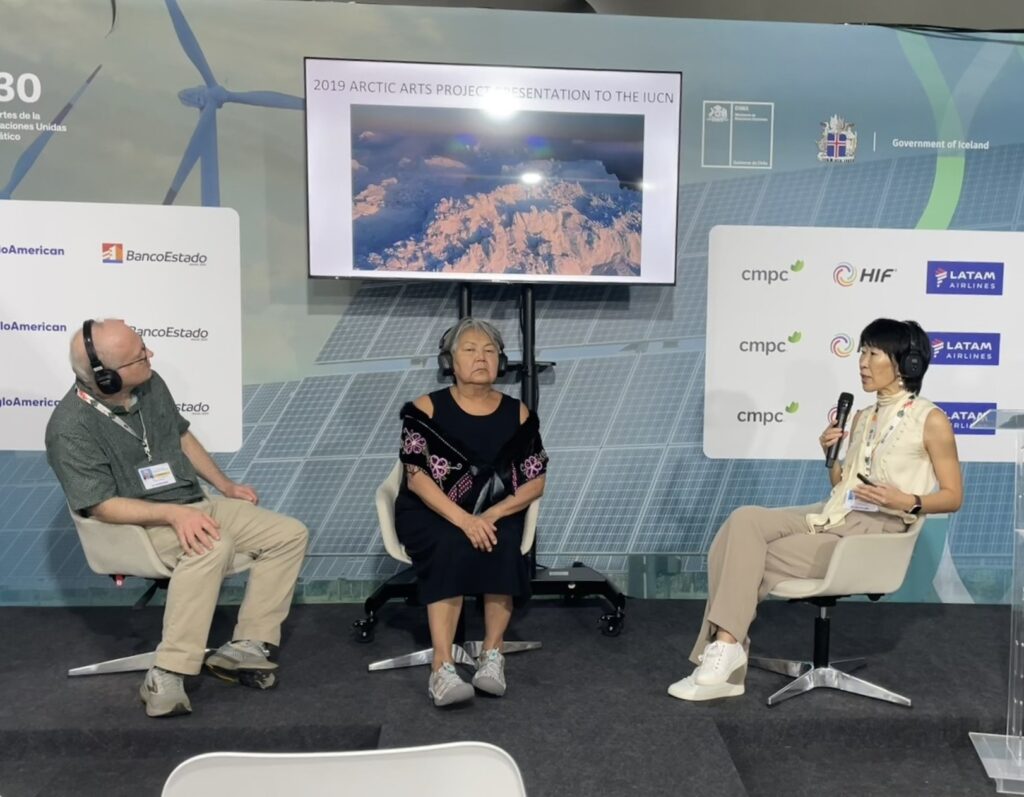
Speakers:
Norma Shorty, Yukon University, the Arctic Athabascan Council’s representative in the Social, Economic and Cultural Expert Group in the Arctic Council. She is a Tlingit scholar, residing in Marsh Lake, Tagish, Juneau, Teslin, and Whitehorse, with extensive expertise in Indigenous-led research and educational projects.
Vera Kuklina, Research Professor, Department of Geography and Environment, George Washington University, is a Buryat scholar with extensive experience in leading multidisciplinary projects, a Board Member of the American Center for Mongolian Studies, and the U.S. Representative to the International Arctic Science Committee (IASC) in the Social and Human Working Group. Kuklina is Lead PI for the project Frozen Commons: Change, Resilience and Sustainability in the Arctic funded by the National Science Foundation.
Moderator:
Robert Orttung, Professor of Sustainability and International Affairs and Director of the Sustainability Research Institute, George Washington University. Orttung is the lead PI for several National Science Foundation projects, including Measuring Urban Sustainability in Transition and Arctic Cruise Ship Tourism. A new project examines the green energy transition in the north. He has published extensively on Arctic topics, including Urban Sustainability in the Arctic: Measuring Progress in Circumpolar Cities (NY: Berghahn, 2020).
Pathways to Indigenous-Led Research and Education to Address Climate Change
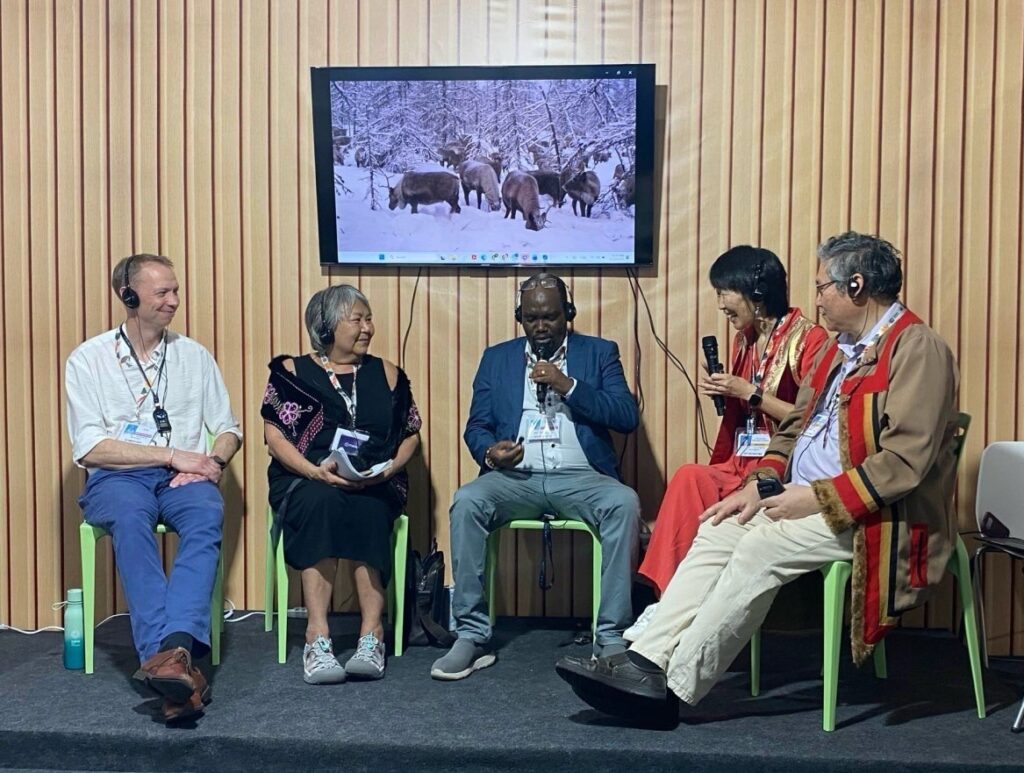
- 13 November 2025 | Belém, Brazil
This event gathered Indigenous leaders and climate scientists within the UNFCCC framework, fostering dialogue and collaboration. By sharing experiences and best practices, participants collectively identified strategies for strengthening Indigenous-led research that responds to the urgent challenges of climate change. To ensure equity and moral responsibility in climate governance, it is essential to prioritize Indigenous perspectives from the outset and to utilize culturally appropriate methods for knowledge sharing, including creative arts and everyday practices that resonate with Indigenous communities.
Speakers:
Norma Shorty (Arctic Athabascan Council);
Rolf Rødven (AMAP Arctic Council);
Vyacheslav Shadrin (Yukaghir Elders Council, Institute for Humanities Research and North Indigenous Peoples Problems, SB RAS)
Gideon Sanago (PINGO’s Forum – Tanzania)
The Perils of Ignoring Science and 1,5 °C : Tipping Points in the Cryosphere, Their Impacts, and How to Avoid Them
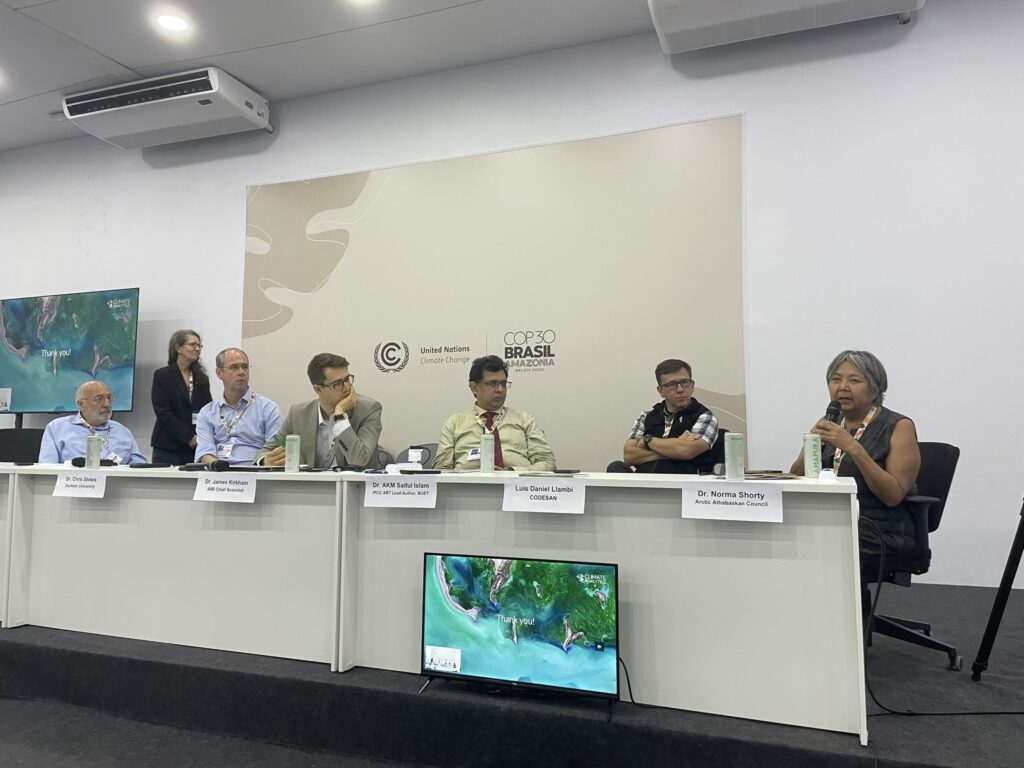
- 14 November 2025 | Belém, Brazil
Frozen commons team co-organized together with International Cryosphere Climate Initiative and Scientific Committee on Antarctic Research (SCAR) official side-event that drew significant public attention. Success of the event is the testament that work on traditional lands of Indigenous people conducted together with Indigenous people is beneficial for all.
While some actors try to undermine the 1.5°C Paris Agreement target at COP30, scientists at least are aligned: overshooting 1.5°C brings severe and potentially irreversible impacts for polar regions and the Earth’s ice and snow, which in turn will cause loss and damage all over the world. The latest State of the Cryosphere report details those impacts, but also highlights new ambitious ways forward — if obstructionists at COP30 stop denying physical reality.
Actionable Science: Speakers
Dr. Chris Stokes, IPCC AR6 Lead Author, Professor for Glaciology, Durham University:
1.oC is the true safe level for Greenland and Antarctica
(Lead author of May 2025 Nature paper)
Dr. James Kirkham, Chief Scientist, Ambition on Melting Ice (AMI) High-level Group
Dr. Bill Hare, Climate Analytics
Rescuing 1.5°C: New Highest Possible Ambition (HPA) pathways
Impacts Roundtable: Speakers
Dr. Norma Shorty, Arctic Athabaskan Council
The role of traditional knowledge forms in best science practices
Dr. AKM Saiful Islam, IPCC AR7 Lead Author, Bangladesh
Preparing for rising seas: When adaptation turns to loss and damage.
Luis Daniel Llambi, Program Coordinator, CONDESAN
Basing downstream impacts on levels of glacier and snow loss