
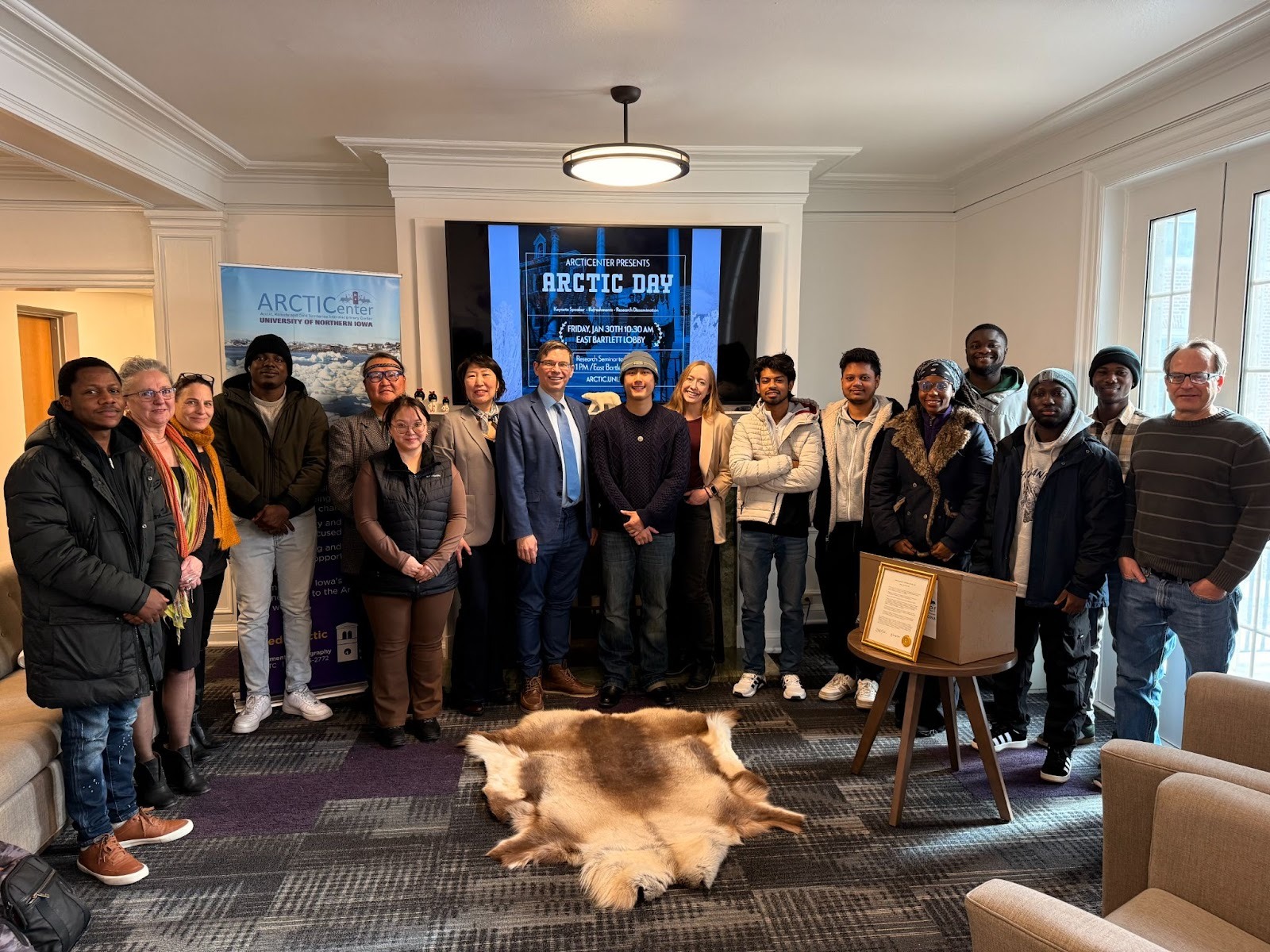
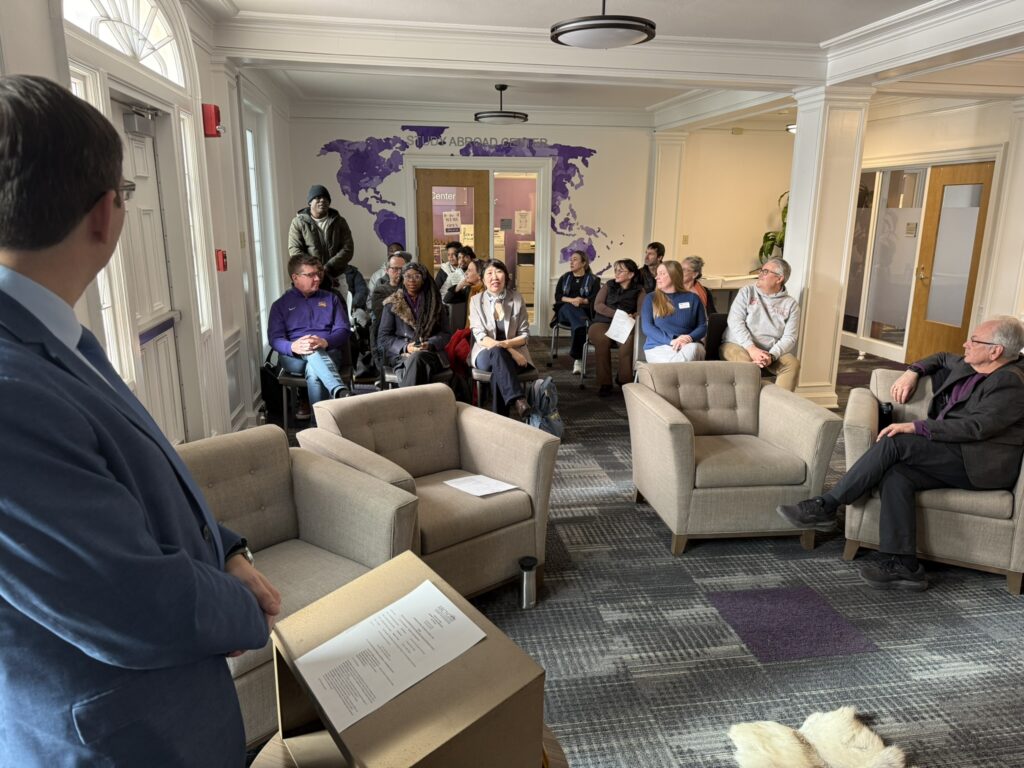
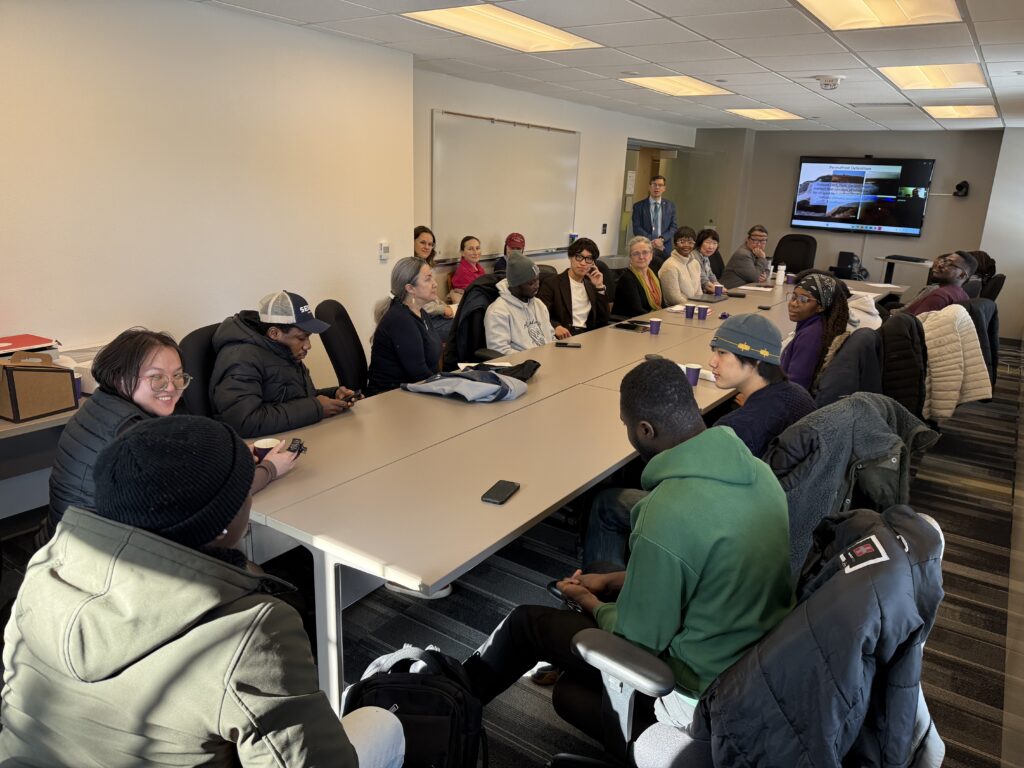
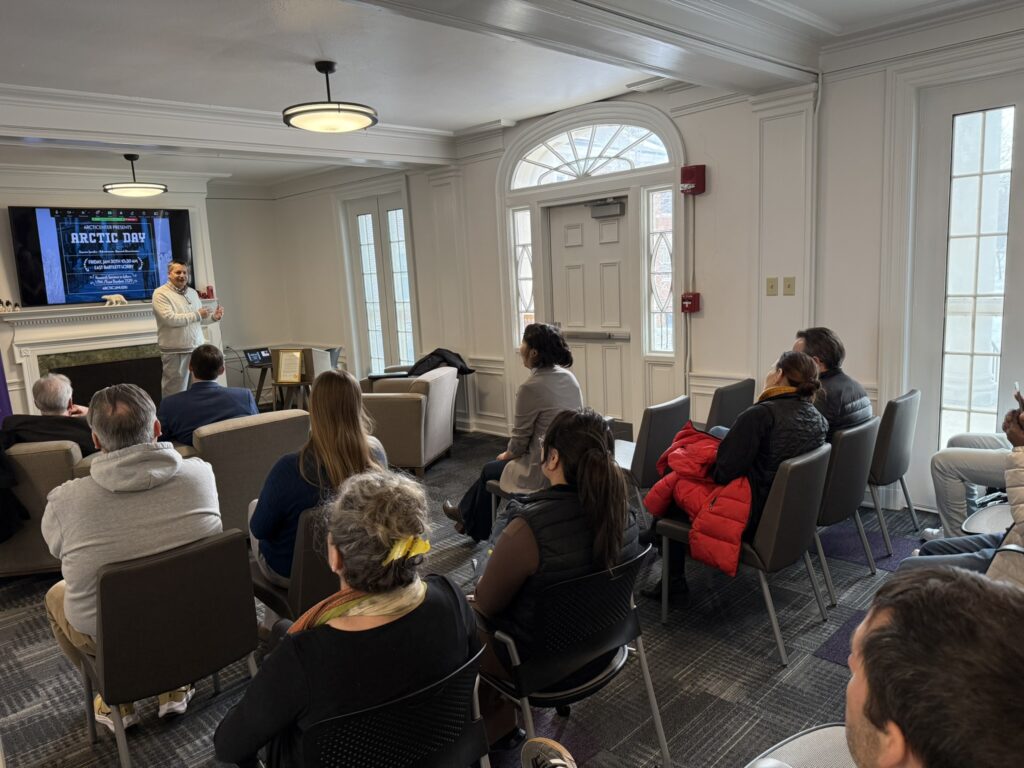
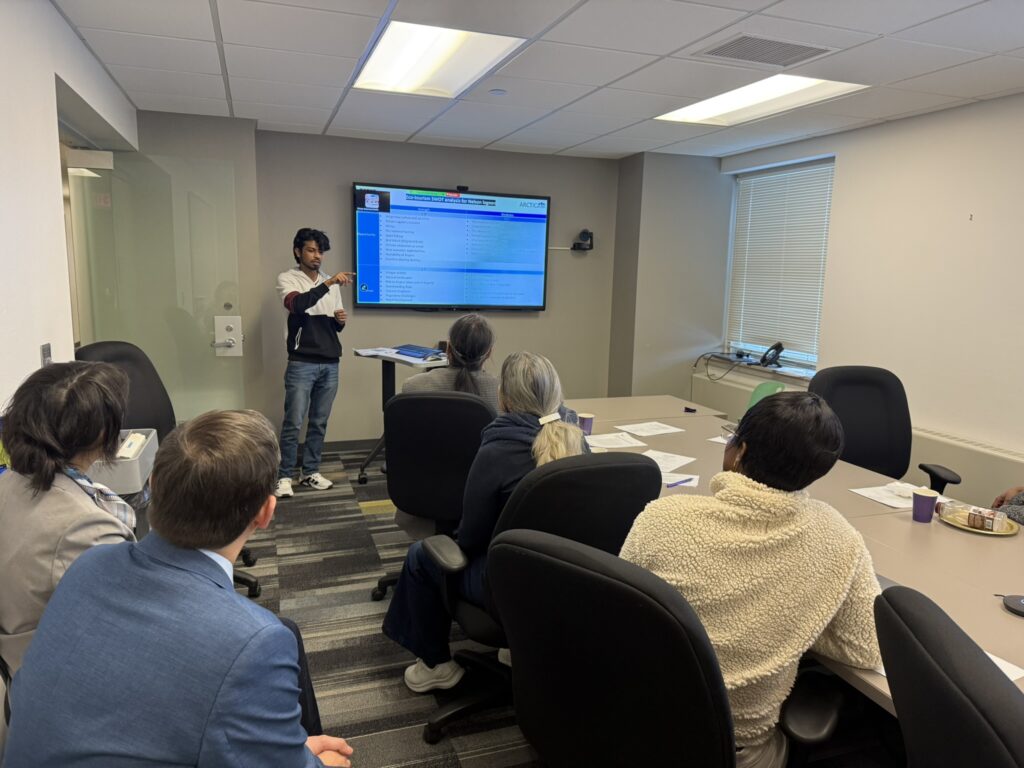
On January 30, the University of Northern Iowa (UNI) hosted a special celebration marking the 10th anniversary of the Arctic, Remote, and Cold Territories Interdisciplinary Center (ARCTICenter). Members of the Frozen Commons project team were glad to take part in the event and share current research and community-driven methods that speak directly to the realities of Arctic change.
Founded within UNI’s Department of Geography, ARCTICenter brings together faculty, staff, and students across the social and natural sciences, education, and the humanities, working in close relationship with Indigenous knowledge holders and Arctic community members. The center is nationally recognized for its contributions to Arctic social sciences and sustainability research, with a strong emphasis on ethical, reciprocal engagement with Indigenous communities.
ARCTICenter’s work addresses urgent national and global challenges—from adaptation to environmental change to sustainable development—while also serving as a training hub for the next generation of scholars at the undergraduate, graduate, and postdoctoral levels. Just as importantly, it acts as a locus for community engagement in remote, northern, rural, and Indigenous contexts in the Arctic and beyond.
Frozen Commons presentations
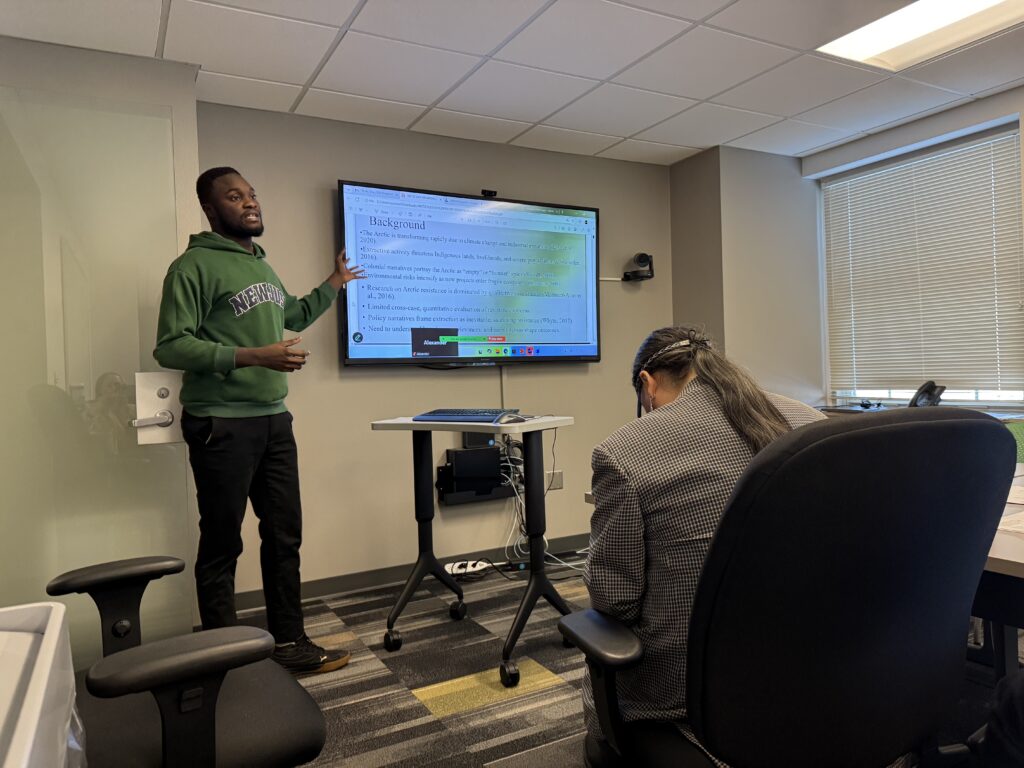
At the anniversary event, Frozen Commons team members presented a set of complementary perspectives on environmental change, community-based research, and knowledge-sharing practices:
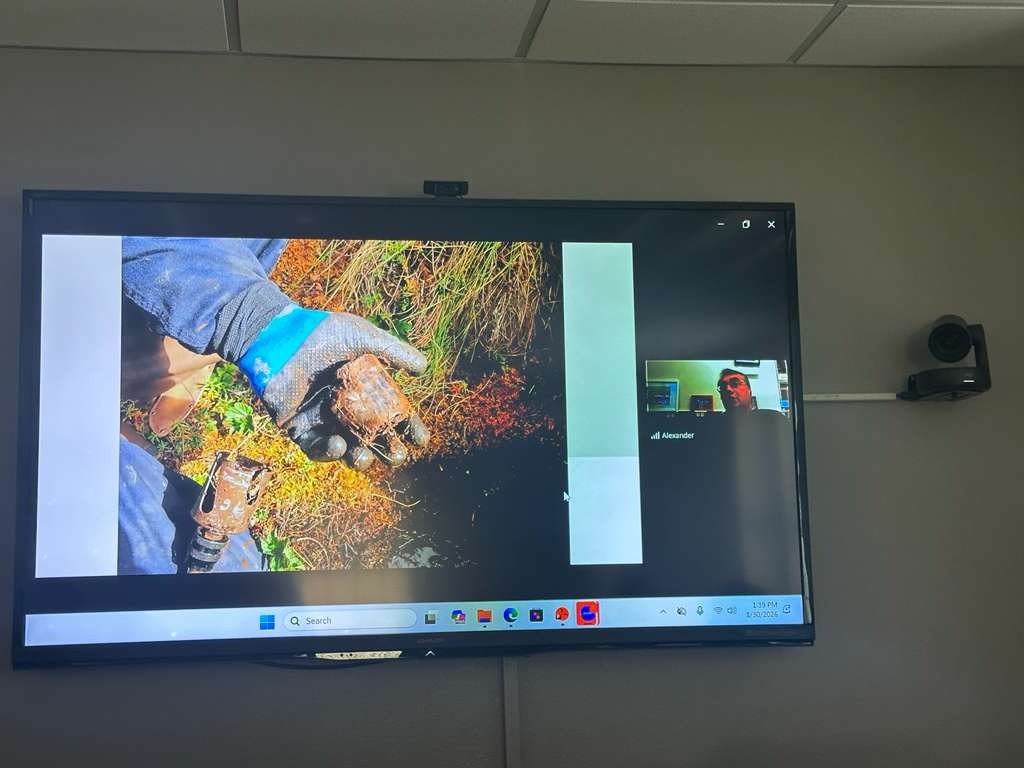
- Alexander Kholodov presented research on permafrost in Alaska.
Presentation
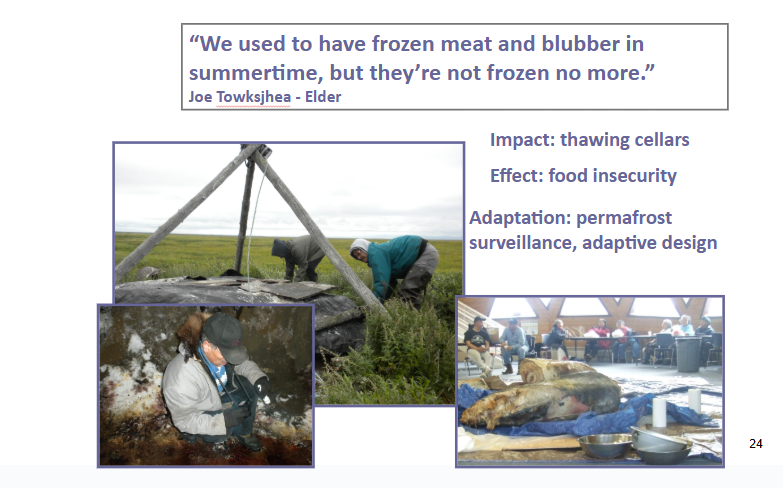
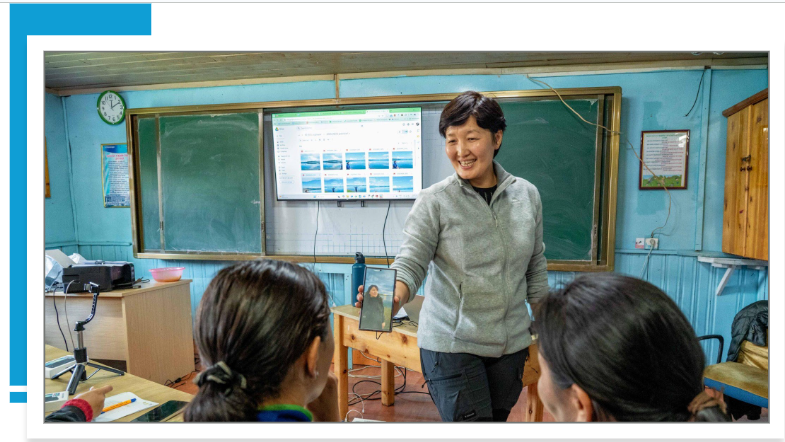
- Mariia Kuklina shared work on organizing photovoice workshops in the Tsagaannuur and Bayanzurkh communities during the summer of 2025, focusing on participatory approaches to documenting lived experience.
Presentation
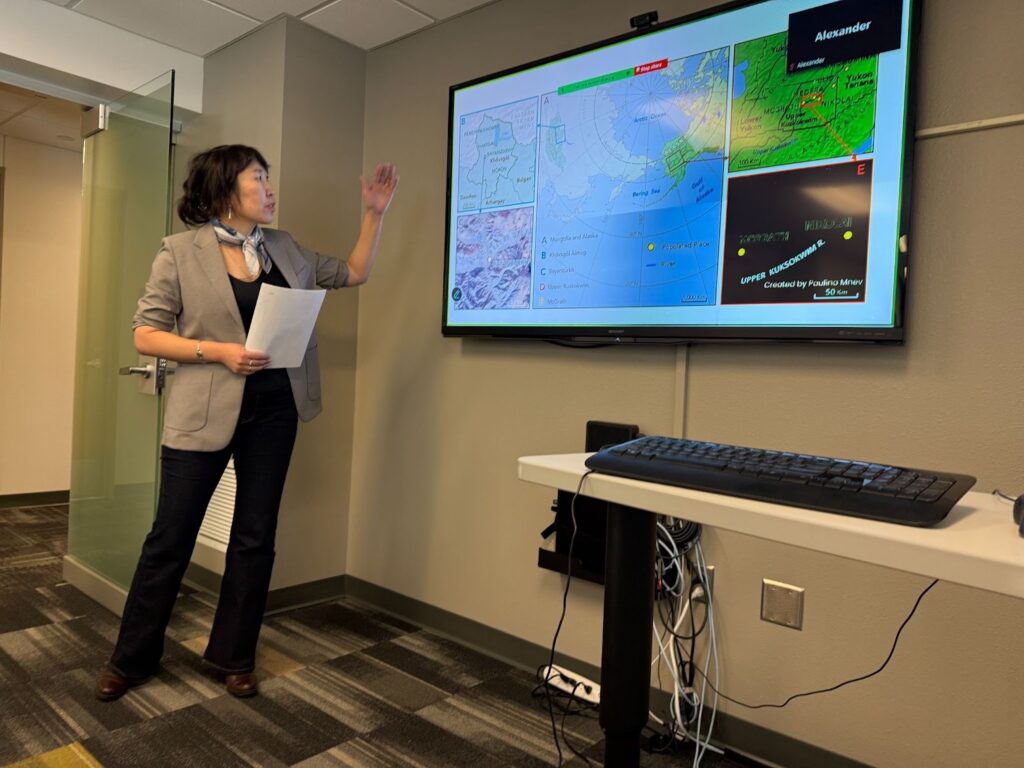
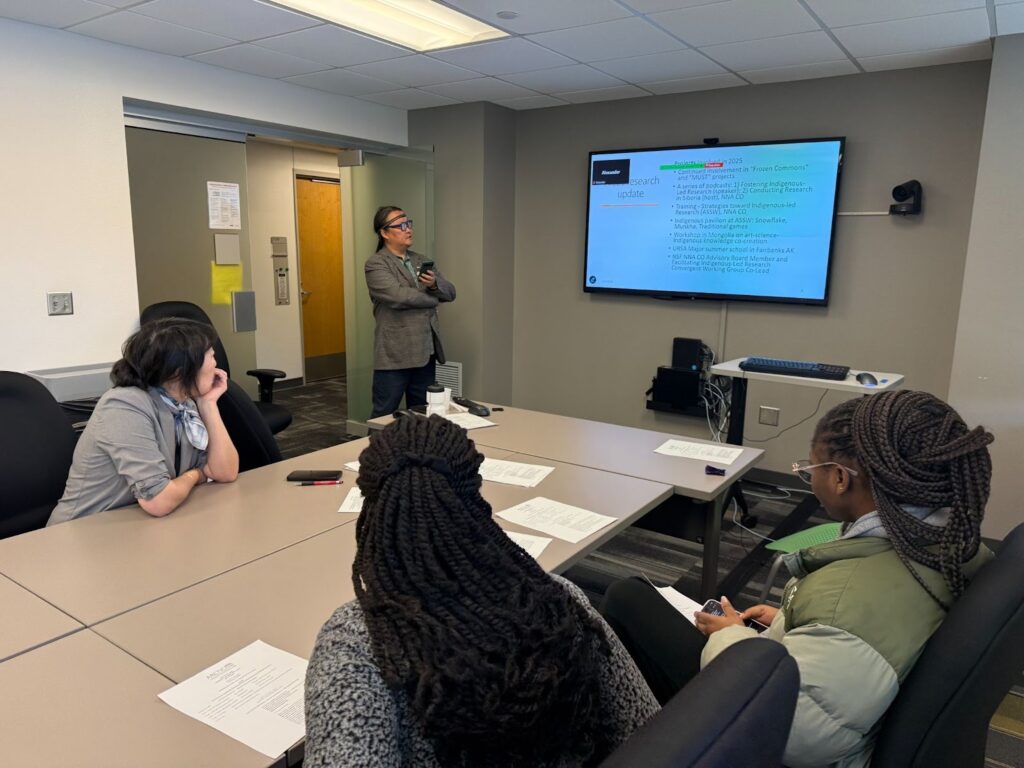
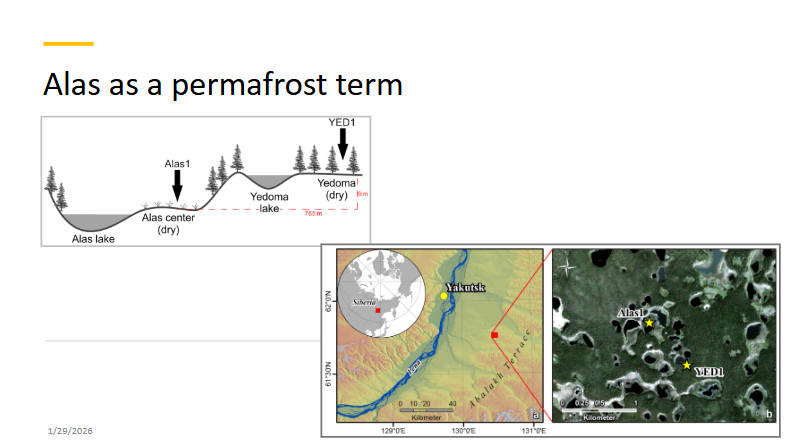
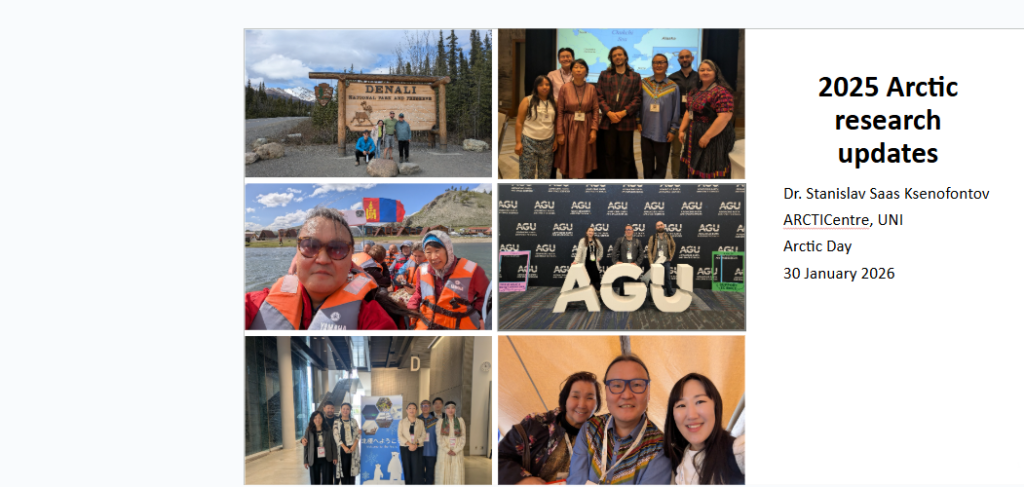
- Stanislav Ksenofontov provided Arctic research updates and discussed a recent Frozen Commons–funded paper on pathways to decolonize science-appropriated Indigenous terminologies in Arctic research.
Presentation
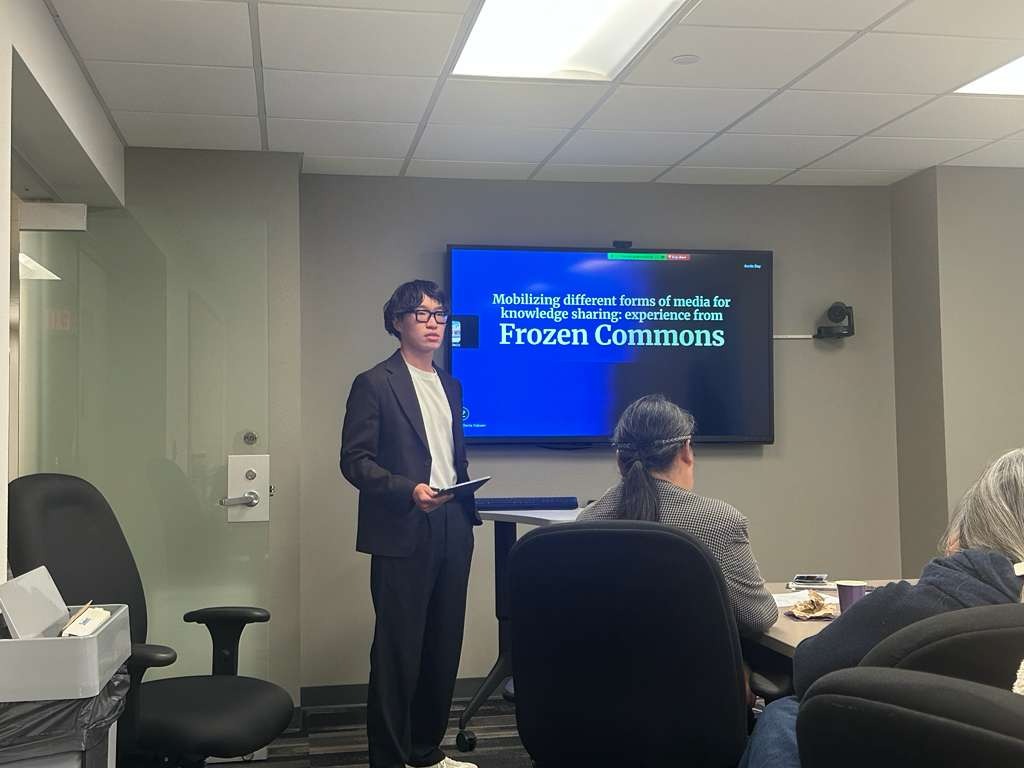
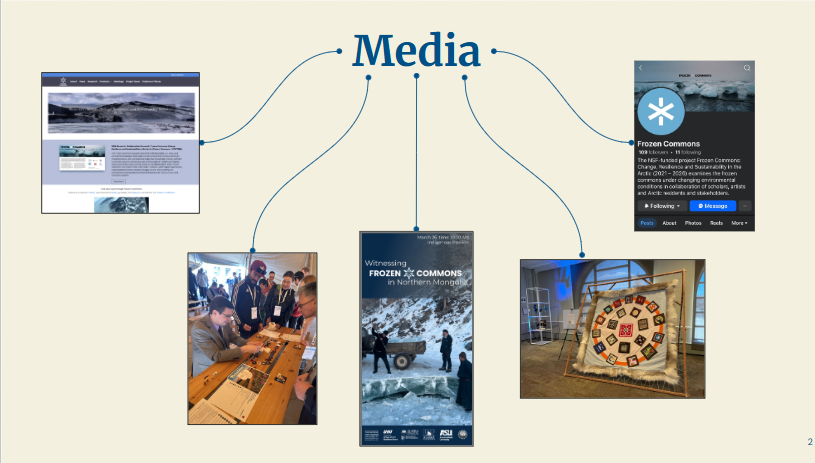
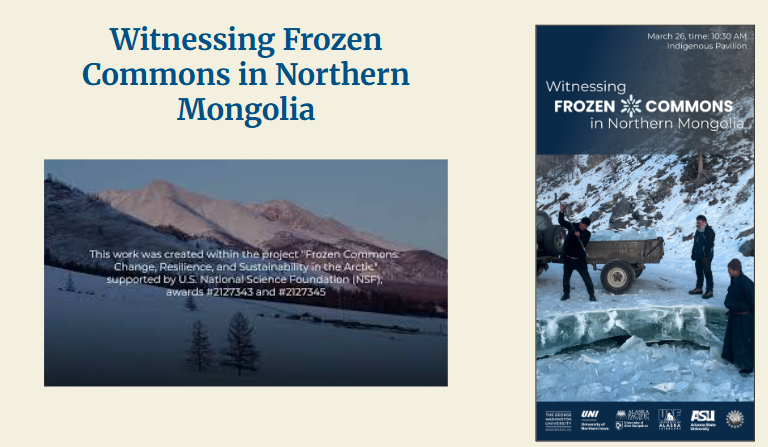
- Denis Dabaev presented on mobilizing diverse media forms for knowledge sharing within the Frozen Commons project, exploring how research travels—and how it can remain accessible and accountable across contexts.
Presentation
We are grateful to ARCTICenter for hosting this anniversary gathering and for a decade of sustained leadership in Arctic research and education. The celebration was not only a milestone, but also a timely reminder of what long-term, interdisciplinary, community-engaged work can make possible—especially in the face of accelerating environmental and social change.
Photogallery Photos by Mariia Kuklina and Anna Vaagensmit